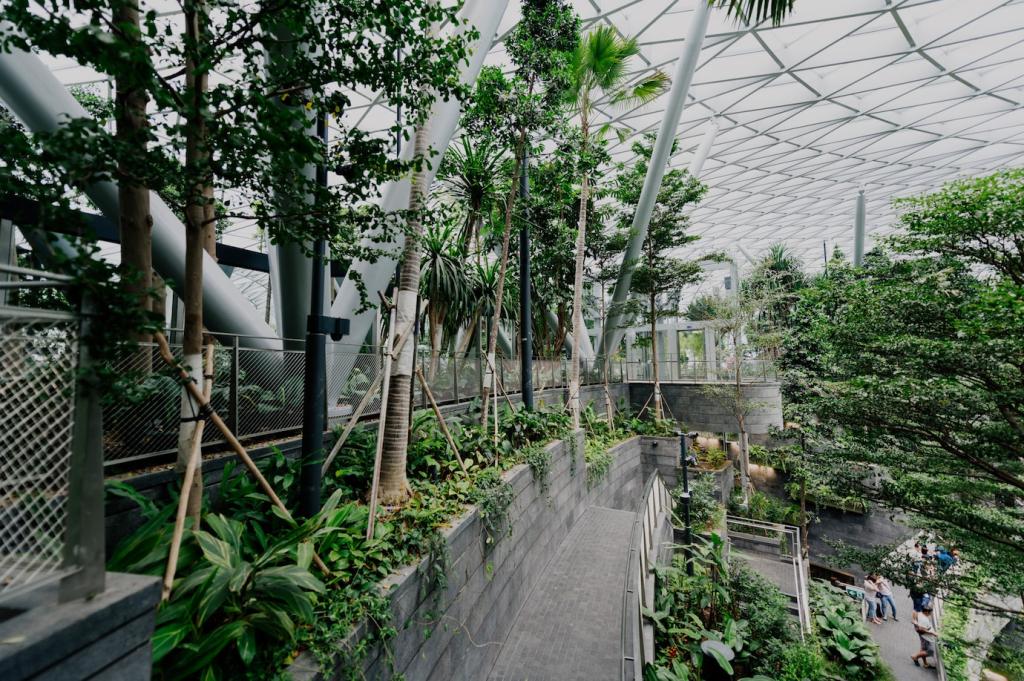
Incorporating Nature into Eco-Home Architecture: A Living Blueprint
Chosen theme: Incorporating Nature into Eco-Home Architecture. Discover how light, air, water, and living materials can shape resilient, soulful homes. Share your ideas, subscribe for weekly design stories, and help this community grow greener.
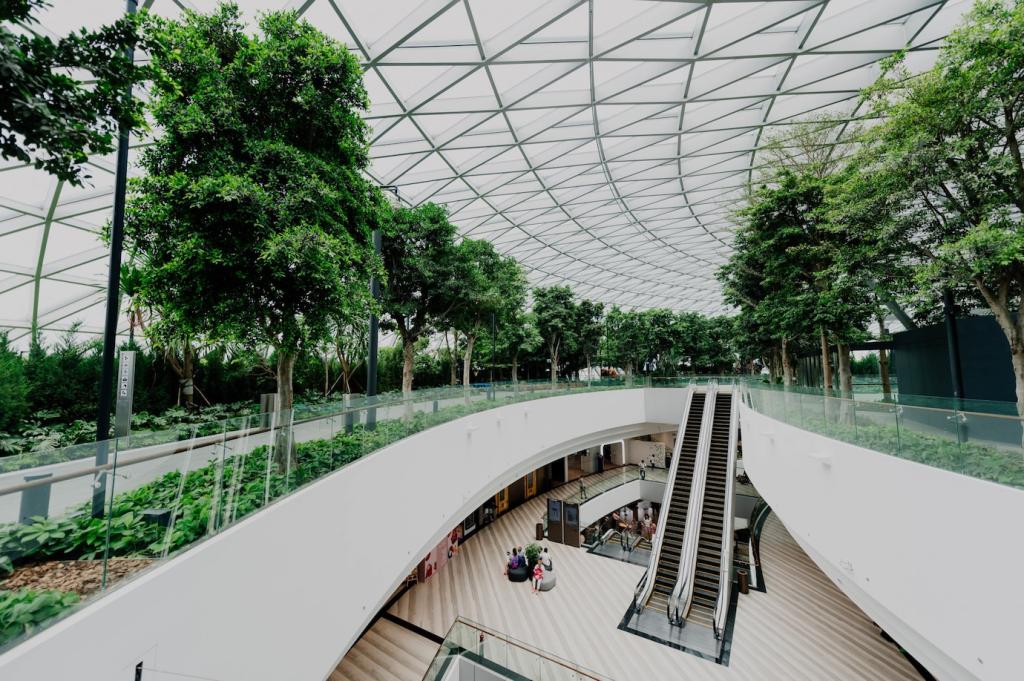
Begin by reading your site like a naturalist: soils, winds, sun paths, and local species. Incorporating nature into eco-home architecture starts with honoring what already thrives, then shaping rooms that belong to the land.
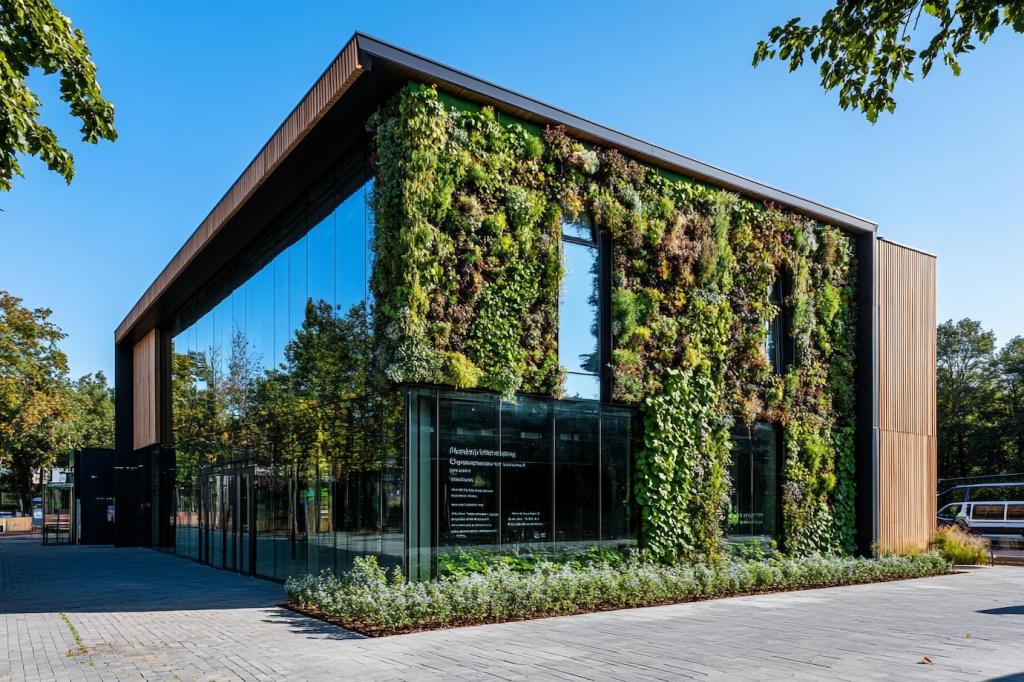
Climbing vines, trellised canopies, and pocket planters create breathable facades that shade, cool, and filter air. These living skins reduce heat gain, soften acoustics, and make daily homecomings feel like a gentle walk through a garden.
One family added a shaded fern wall by their kitchen. Dawn light filtered through fronds, softening the room’s mood; breakfasts became slower, calmer, and the kids started asking to water the plants before school.
Light as a Natural Material
Place workspaces and living areas where morning and midday light encourage focus and warmth. By incorporating nature into eco-home architecture, careful orientation reduces artificial lighting needs and invites a daily rhythm that supports healthy sleep.
Light as a Natural Material
Deep overhangs block high summer sun while welcoming low winter rays. Pair them with deciduous trees that leaf out when heat is harsh, and bare branches that let in light when warmth is precious.
Rainwater Harvesting and Filtration
Direct clean roof runoff into cisterns sized for your climate. Simple first-flush diverters and gravel pre-filters protect storage, delivering garden water that buffers droughts and keeps edible landscapes vibrant through hottest weeks.
Greywater Gardens and Soil Health
Laundry and shower water can irrigate mulched basins and fruit trees when designed responsibly. Healthy, bioactive soil becomes your hidden ally, filtering nutrients while building resilience against heat and erosion.
Anecdote: The Courtyard That Listens to Rain
A small urban home tilted its paving toward a planted rain garden. Storms now arrive with a musical gurgle, and neighbors gather to watch sedges sway as the basin fills, then quietly percolates back to the aquifer.
Low-Embodied-Carbon, Bio-Based Choices
Prioritize timber from responsibly managed forests, cork flooring, straw or hemp insulation, and clay plasters. Incorporating nature into eco-home architecture means reducing emissions while crafting interiors that feel warm, grounded, and quietly restorative.
Use limewash, plant-based oils, and casein paints that regulate humidity and avoid harsh solvents. Breathable assemblies help walls dry, reduce mold risk, and create that subtle mineral glow you notice on calm, cloudy days.
Tuck blueberries into sunny hedges, stack herbs under fruit trees, and mulch with living clover. Productive plant guilds reduce labor, increase biodiversity, and turn quick harvest walks into cherished daily rituals.
Productive Landscapes: Food, Habitat, and Joy
Layer native blooms for spring-through-fall nectar, and use warm, shielded night lighting to protect moths and bats. You will hear the garden hum, and mornings will begin with butterflies patrolling dew-bright leaves.